Loading...
Serving Charlottesville, VA and surrounding areas. (434) 235-6128
Charlottesville Concrete is a concrete contractor serving Lynchburg, VA with floor installation, driveways, retaining walls, and foundation work - responding to estimate requests within 1 business day and available by phone any time.
Lynchburg is built on hills, and that shapes every concrete job here - from steep driveway grades to retaining walls that hold back sloped yards. We know the terrain, the neighborhoods, and what the freeze-thaw winters do to concrete in this city.
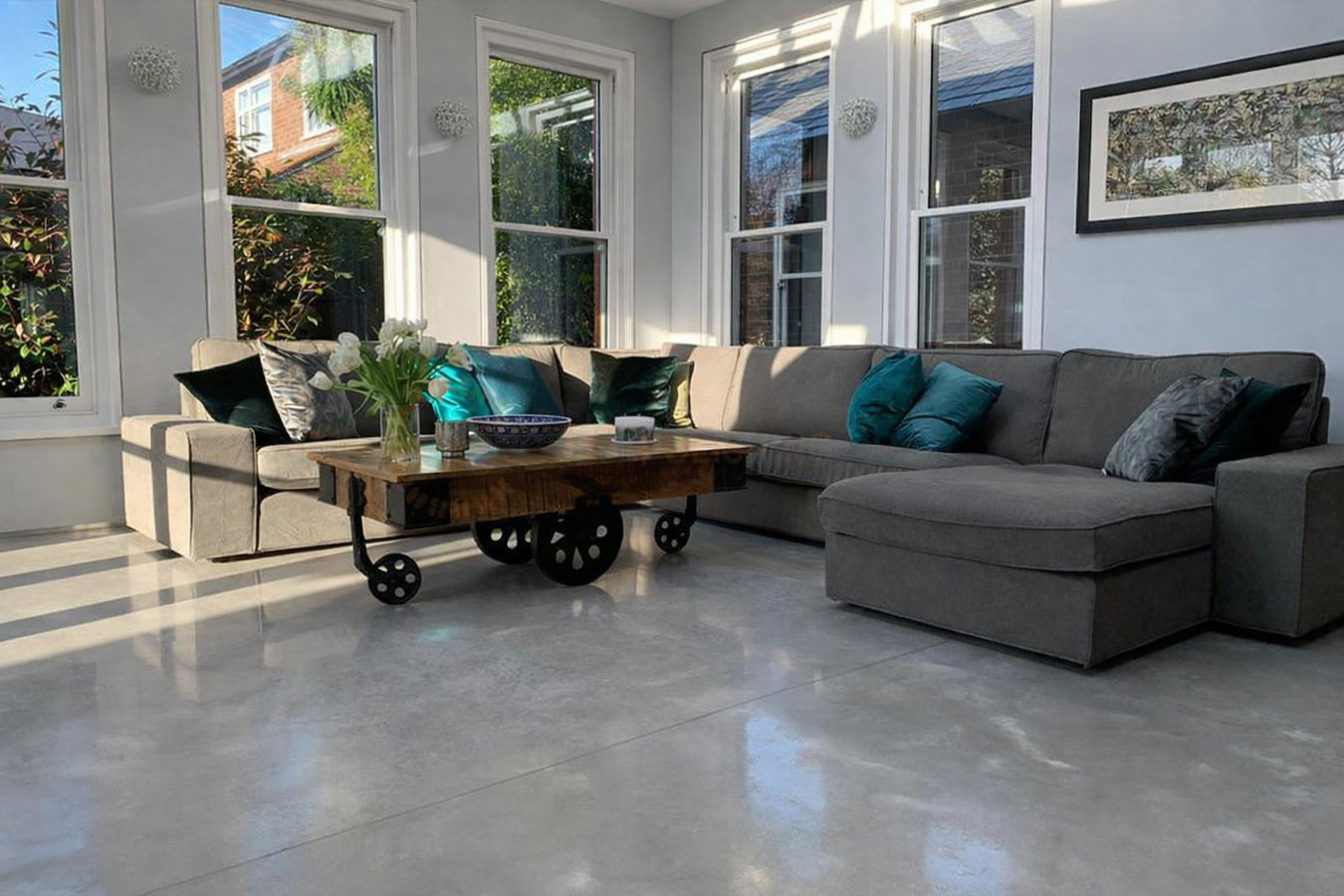
Lynchburg has a large stock of older homes - many built before 1960 - where original basement and garage floors have cracked or shifted over decades of freeze-thaw cycles and settling. Concrete floor installation gives these homes a level, durable surface that handles Lynchburg's cold winters and the moisture common in hillside properties.
Lynchburg is built on hills, and sloped lots lose soil fast after heavy rain - the city averages around 40 inches per year. A properly designed retaining wall holds back grade, redirects water runoff away from your foundation, and keeps landscaping in place on properties where the yard drops off sharply.
Steep driveway grades are a fixture on Lynchburg's hillside streets - and asphalt buckles faster on inclines than on flat lots. Concrete holds its grade under vehicle loads year-round, is easier to salt and clear in winter, and lasts decades longer than asphalt on the kind of sloped driveways common across Garland Hill and Boonsboro.
The older Victorian and Colonial Revival homes in Lynchburg's historic neighborhoods often have original brick or stone front steps that have settled, cracked, or become a trip hazard. New concrete steps are a practical, long-lasting replacement that can be formed to match the original rise and run of the entry and handle the freeze-thaw winters this city sees every year.
Lynchburg's mix of old brick homes and mid-century ranches often have small, worn, or nonexistent outdoor living spaces. A concrete patio on a leveled area of the yard - even on a sloped lot - gives homeowners usable outdoor space that withstands the heat, humidity, and occasional heavy rains of a Lynchburg summer.
Lynchburg has many homes built on hillside lots where decades of soil movement and water runoff have caused settling or uneven bearing. Raising a sunken slab or leveling a foundation that has dropped over time corrects the problem at the source rather than masking it with cosmetic repairs.
Lynchburg is called the Hill City for a reason. Streets rise and fall sharply across the city, and most residential lots sit on some kind of slope. That topography creates drainage challenges that flat-city contractors often underestimate. Rainwater accelerates down slopes, pools against foundations, erodes unprotected grade, and loads retaining walls with pressure that builds over time. Driveways on steep grades face far more stress from vehicle loads and winter ice control than a flat-lot driveway in a different part of the state.
Lynchburg also has a large share of homes built before 1960, concentrated in neighborhoods like Garland Hill, Diamond Hill, and Daniels Hill. These are often two- and three-story brick homes with original foundations that have been settling for a century or more. Freeze-thaw winters - the city averages 15 to 18 inches of snow per year - and roughly 40 inches of annual rainfall put steady stress on concrete, mortar, and any material that holds moisture. A contractor who understands Lynchburg's climate and terrain will spec the job for those conditions rather than using a one-size approach that fails faster here than it would somewhere else.
Our crew works throughout Lynchburg regularly, and we understand the local conditions that affect concrete work here. We pull permits through the City of Lynchburg building inspections office and are familiar with the review process for structural work on older properties in the historic neighborhoods.
In Lynchburg, you can be working on a century-old brick home near Monument Terrace and a 1970s ranch house along Timberlake Road on the same day - and those jobs require completely different approaches. The older properties often have original masonry foundations, steeper access constraints, and grading that has shifted from decades of water movement. The mid-century neighborhoods have their own issues: concrete flatwork poured 50 years ago with minimal reinforcement, crawl spaces that have collected moisture, and driveways that have cracked and heaved repeatedly. We adjust for both.
We also serve Roanoke, VA to the west, so if you are near the Lynchburg-Roanoke corridor or have property in both areas, we can cover it without separate contractors. Homeowners in Charlottesville, VA also reach out to us for the same type of hillside and historic neighborhood concrete work.
Reach out by phone or through the contact form - we respond to every Lynchburg inquiry within 1 business day. If you have photos of the problem area or the terrain, share them when you reach out and it speeds up the conversation.
We visit your property to look at the actual conditions - slope, drainage, access, existing concrete condition, and soil. A sloped Lynchburg lot changes the scope of a job significantly, and no honest estimate comes from a photo alone. You receive a written quote before any work begins.
For work that requires a permit in Lynchburg, we handle the application before the crew arrives. We schedule around your availability and let you know exactly when the crew will be on site so you are not waiting around with no information.
Concrete is poured, formed, and finished to the agreed spec. We remove all debris and leave the site clean at the end of every job. You get cure time guidance in writing so you know exactly when to put vehicles or furniture back on the new concrete.
We serve Lynchburg, VA and respond to every request within 1 business day. No obligation - just a straight answer on what the job needs.
(434) 235-6128Lynchburg is an independent city of about 82,000 people in central Virginia, situated on a series of hills above the James River - which is why locals and visitors alike have long called it the Hill City. The city has a compact downtown anchored by Monument Terrace, a grand outdoor staircase lined with war memorials that is one of the most recognized landmarks in central Virginia. Surrounding downtown are the historic neighborhoods of Garland Hill, Diamond Hill, and Daniels Hill, which contain some of the densest concentrations of late 19th- and early 20th-century residential architecture in the region - two- and three-story Victorians and Colonial Revivals, many in brick, with foundations that have been holding up for over a century.
Beyond the historic core, Lynchburg fans out into mid-century ranch and split-level neighborhoods in areas like Boonsboro and along Timberlake Road, and into newer growth driven in part by Liberty University, one of the largest universities in the country by enrollment. The mix of property types - century-old brick in the historic districts, 1960s and 70s ranches in the suburban middle, and newer construction near the university - means concrete and foundation work varies widely from one neighborhood to the next. We also serve nearby Roanoke, VA to the west for homeowners in the broader central Virginia corridor.
Professional floor pours for residential and commercial spaces.
Learn MoreCustom concrete steps built for safety, durability, and curb appeal.
Learn MoreDurable concrete lots designed for heavy traffic and longevity.
Learn MoreHillside lots, historic homes, and freeze-thaw winters need a contractor who knows Lynchburg. We respond within 1 business day.