Loading...
Serving Charlottesville, VA and surrounding areas. (434) 235-6128
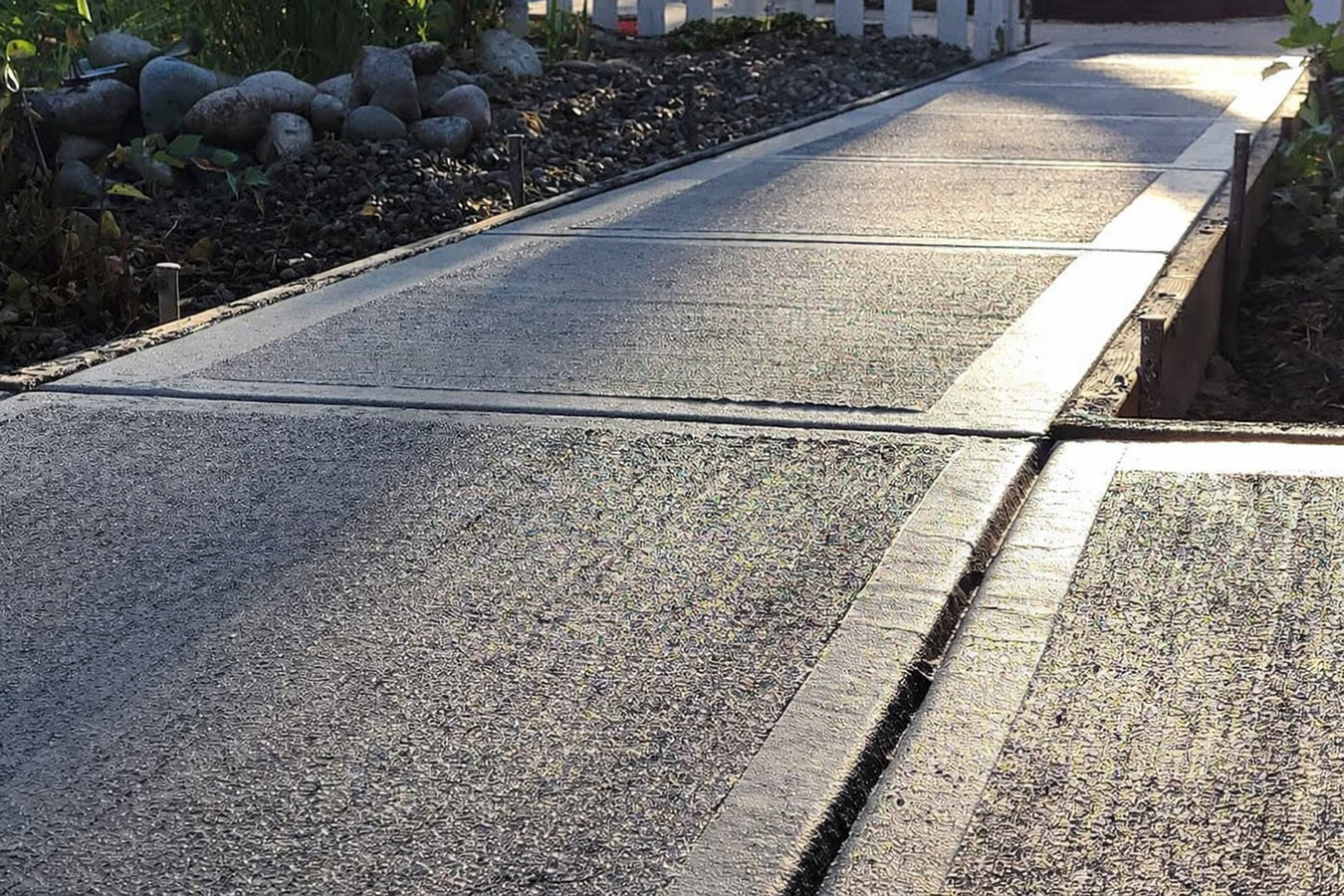
A cracked, heaving sidewalk is a trip hazard - and in Charlottesville's clay soil and freeze-thaw winters, it only gets worse without intervention. We build concrete sidewalks that stay level and hold up, with every permit handled and every step explained.
Concrete sidewalk building in Charlottesville starts with removing the old surface or preparing bare ground, setting forms, compacting a gravel base, and then pouring and finishing the concrete before it sets. Most residential sidewalk projects take one to two days of active work, with the surface ready for foot traffic after 24 to 48 hours and reaching full hardness over the following month.
For Charlottesville homeowners, the stakes are higher than they might seem. Sidewalks here sit on clay-rich Piedmont soil that expands and contracts with every wet and dry season - a sidewalk without a proper gravel base will shift, crack, and become a trip hazard within a few years. If you are also looking to upgrade your concrete driveway at the same time, both projects can often be scheduled together for better efficiency and a consistent finished look across your property.
Getting this right the first time matters. A well-built concrete sidewalk can last 30 to 50 years in this climate. A poorly built one will need attention in five. The difference is almost always in the prep work - the part you cannot see once the concrete is poured.
Small hairline cracks in concrete are normal and usually harmless. But if you are seeing cracks wide enough to fit a pencil in, or cracks you have patched before that keep reopening, the underlying cause has not been fixed. In Charlottesville's clay soil, this typically means the ground underneath has shifted enough that surface patching is just a temporary measure - the slab itself needs to be replaced.
Walk your sidewalk and note any spots where one section sits noticeably higher or lower than the one next to it. In Charlottesville, this is often caused by tree roots pushing up from below or clay soil swelling and settling with seasonal moisture changes. An uneven sidewalk is a trip hazard - and if someone falls, it can become a liability issue for you as the property owner.
If the top layer of your concrete is peeling away in chips, or the surface looks rough and pitted where it used to be smooth, that is a sign of damage from freeze-thaw cycles or deicing salt. This kind of surface damage does not repair well - once the top layer starts deteriorating, it tends to continue. A full replacement is usually more cost-effective than repeated patching.
After a rain, water should run off your sidewalk and away from your home. If you notice puddles sitting on the surface or water draining toward your foundation, the sidewalk may have settled in a way that reversed its slope. This is both a drainage problem and a potential foundation concern, and it is worth addressing before the next wet season.
We handle new sidewalk construction and full sidewalk replacement for residential and commercial properties throughout the Charlottesville area. Every project starts with excavation, proper base preparation with compacted gravel, and forms set to the right grade - so the finished surface drains away from your home and stays level. We use broom finishing as the standard surface texture, which provides safe footing in rain and ice without looking rough or unfinished. For homeowners who want something more distinctive, the same project can be paired with our garage floor concrete work or other flatwork projects for a consistent finish across the whole property.
If your sidewalk runs near a public street or through a city right-of-way, we handle the permit application with the City of Charlottesville as part of the project. You should not have to manage that process yourself, and skipping it is not an option we offer - unpermitted work near public streets can result in fines or forced removal. We also assess root situations near mature trees before committing to a layout, because ignoring roots and pouring over them produces the same problem again within a few years.
For properties with no existing walk, or where the path needs to be rerouted as part of a landscaping or addition project.
For sidewalks that are too damaged to patch - removes the old slab, preps the base correctly, and pours new concrete.
For isolated sections that have heaved, cracked, or become a trip hazard while the rest of the walk is still serviceable.
Matches your new sidewalk to the street transition at the driveway or property edge, including ADA-compliant slope where required.
We pull required permits from the City of Charlottesville for all work near public right-of-ways as part of every project.
We evaluate any mature trees near the project area before work starts, so you know what to expect and can make informed decisions.
Charlottesville's red clay Piedmont soil is the main reason sidewalks fail here faster than in better-draining regions. Clay swells when it gets wet and contracts as it dries - that seasonal movement puts constant stress on any slab that is not sitting on a properly compacted gravel base. Our freeze-thaw winters compound the problem: water works into any crack or surface pore, freezes, expands, and makes the damage worse each year. Homeowners in Culpeper and Harrisonburg face the same soil and climate conditions, and the same risks if the base is not done right.
Charlottesville's older neighborhoods add complexity that does not exist in newer subdivisions. Homes in Belmont, Fry's Spring, and the blocks surrounding the University of Virginia have mature trees whose root systems can run under sidewalks and push sections up over time. Many of these properties also have limited street access that affects how a concrete truck can approach the job site. We have worked in these neighborhoods and know what to expect - which is why we visit every site in person before providing a written estimate. According to the Portland Cement Association, proper subgrade preparation is the most critical factor in concrete pavement longevity - something we do not skip to lower a quote.
Call or submit an estimate request. We will ask a few questions about the length and width of the walk, whether there is existing concrete to remove, and whether the sidewalk connects to a public street. No commitment required at this stage.
We come to your property to measure the area, check access, assess any tree roots or grade issues, and determine permit requirements. A written, itemized estimate follows - so you know exactly what is included before you agree to anything.
If a permit is required for work near the street or right-of-way, we handle the application with the City of Charlottesville. Permit turnaround typically takes a few business days to a week. Once it is in hand, you get a confirmed start date.
On pour day, the crew removes old concrete if needed, sets forms, lays the gravel base, and pours and finishes the slab. You will be off the walk for at least 24 hours after the pour. Before we leave, we walk you through care instructions for the first month and what to avoid heading into winter.
We visit the site, handle the permits, and give you a written quote you can compare. One business day response.
(434) 235-6128From the narrow lots in Belmont to the tree-lined streets near UVA, we have worked in these neighborhoods and know the access challenges, root situations, and city permit requirements that come with them. We visit every site before quoting so none of this is a surprise.
Sidewalk work near Charlottesville's public streets and right-of-ways requires a city permit, and skipping it can result in fines or forced removal. We handle the full permit process with the City of Charlottesville as part of every project. You are protected from start to finish.
Virginia requires concrete contractors to hold a valid state license through the Department of Professional and Occupational Regulation. You can verify any contractor's license status on the DPOR website. We carry full liability and workers' compensation insurance as well.
The gravel base under a concrete sidewalk is what keeps it from cracking and shifting when Charlottesville's clay soil moves. We do not skip this step to lower a quote. Sidewalks built on a proper base last decades. Sidewalks built without one start failing in a few years.
A concrete sidewalk built correctly in Charlottesville should last 30 years or more. We have seen what happens when the base is skipped or the mix is wrong for this climate, and we build to avoid those outcomes on every job.
A natural next step for homeowners upgrading exterior flatwork who also want a cleaner, more durable garage surface.
Learn MorePairs well with a new sidewalk to create a consistent, well-finished approach from the street to your front door.
Learn MoreContact Charlottesville Concrete today. We visit your site, handle the permits, and give you a written estimate that covers everything - so there are no surprises once work starts.