Loading...
Serving Charlottesville, VA and surrounding areas. (434) 235-6128
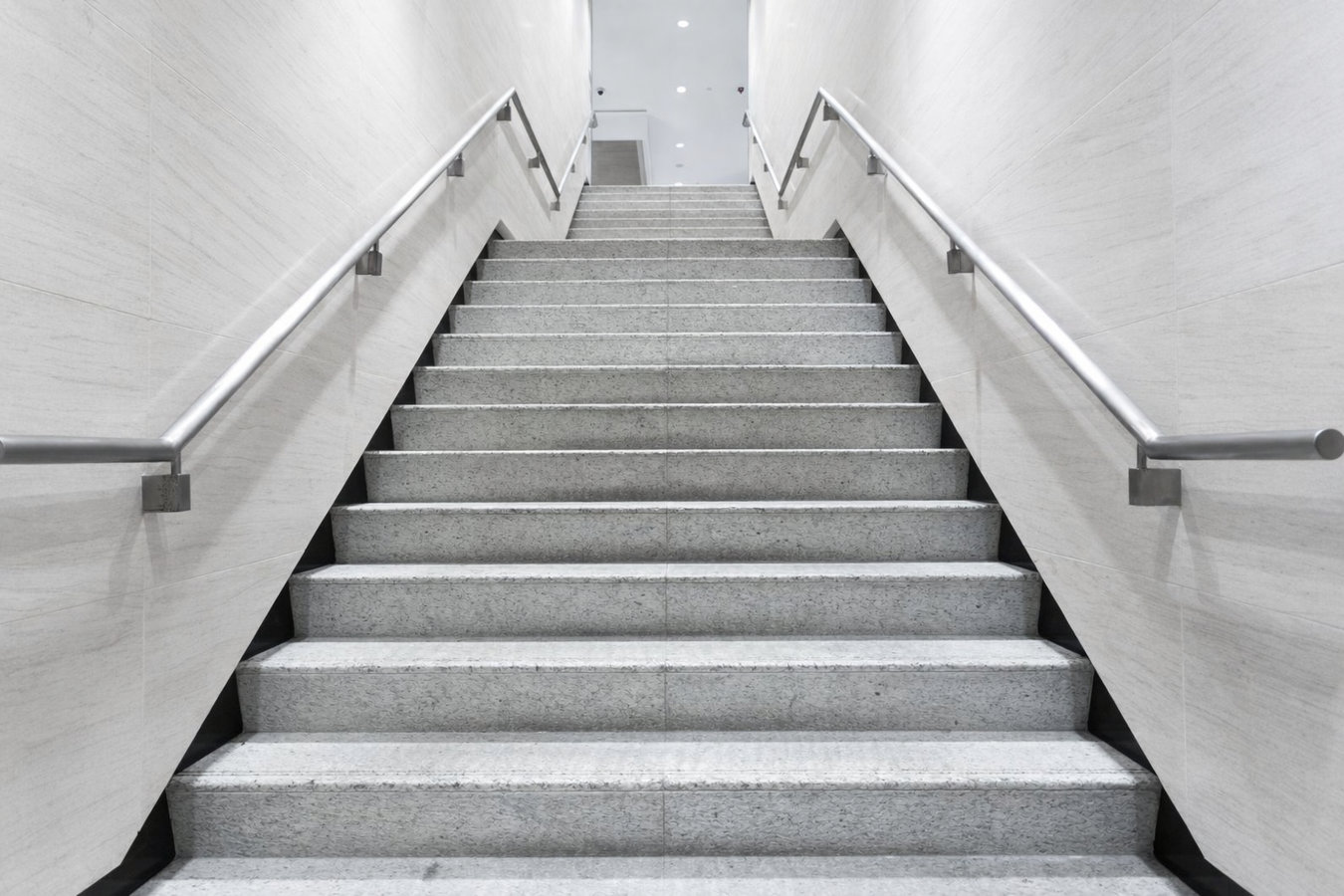
Crumbling, uneven, or pulling-away steps are a safety hazard and an eyesore. We build and replace concrete steps for Charlottesville homes using methods designed to handle local soil conditions and winter freeze-thaw cycles.
Concrete steps construction in Charlottesville involves demolishing old steps if needed, compacting a stable gravel base, building formwork in the shape of the new steps, pouring the concrete, and finishing the surface - most residential jobs take one to two days of active work, plus a curing period before the steps are safe to use.
For many Charlottesville homeowners, especially in older neighborhoods like Belmont and Fry's Spring, the steps at the front entrance were built decades ago and are now cracking, spalling, or pulling away from the foundation. The clay-heavy soil common throughout the Piedmont region shifts more with moisture changes than sandier soils do, and that movement is the main reason steps in this area fail before their time. Homeowners replacing steps often also consider concrete sidewalk building at the same time to address the walkway leading to the new entrance.
The finish you choose affects both looks and safety. A plain broom finish provides natural grip at no extra cost and ages well on older homes. Stamped or colored finishes add curb appeal but cost more. For most Charlottesville homes with traditional architectural styles, a clean brushed finish looks the most natural and requires the least upkeep.
Cracks wider than a hairline - especially ones that go all the way through a step or along an edge - mean the concrete has been compromised. In Charlottesville, this is often caused by years of freeze-thaw cycles working on small surface flaws until they become structural problems. Cracks you can feel with your foot are a safety concern, not just cosmetic.
If your steps wobble when you step on them, or you can see a gap forming between the steps and your home's foundation, the base has shifted. This is common in Charlottesville's clay-heavy soil, where ground movement over time can undermine even well-built steps. Steps that have moved structurally need replacement, not repair.
When the top layer flakes off in thin sheets or the surface looks pitted and rough, the concrete is deteriorating from the inside out. This process - called spalling - is accelerated by deicing salts and by Charlottesville winters. Once spalling starts it tends to spread; patching slows it down but rarely stops it on older steps.
Walk your steps slowly and notice whether each feels the same height. If one step is noticeably higher or lower than the others, that unevenness is a tripping hazard - especially for older family members or guests who are not expecting it. Uneven steps typically mean the structure has settled unevenly, which patching cannot fix.
We build new concrete steps from scratch and replace existing steps that have failed at residential properties throughout the Charlottesville area. Every replacement job starts with demolishing the old steps and hauling away the debris, then preparing a compacted gravel base before any new concrete is poured. We build the formwork to match the correct height, depth, and width for the entrance, pour the concrete, and apply a broom finish or whatever surface finish you choose. For homeowners whose project also involves the surrounding outdoor space, we frequently combine step work with slab foundation building or other concrete work happening on the same property at the same time.
We handle the permit process for the City of Charlottesville and Albemarle County. We also give you an honest assessment of whether your existing steps can be repaired rather than replaced - if the base is solid and the damage is surface-level, we will tell you. If the base has shifted and replacement is the only lasting fix, we will tell you that too.
Best for steps that are cracking through, have moved, or are pulling away from the foundation - full demolition and rebuild from the base up.
For homes adding a new entrance, converting a porch, or building a rear access point where no steps currently exist.
The most practical and cost-effective finish - provides natural slip resistance and suits the architectural style of most Charlottesville homes.
For homeowners updating curb appeal - adds visual interest while still providing good grip when a non-slip sealer is used.
A flat landing at the top of the steps creates a safer transition point at the entrance - especially useful for wider doorways or multiple entry directions.
We pull all required permits through the city or county, handle scheduling, and coordinate the inspection so the job is on record.
Much of Charlottesville's residential housing stock - particularly in neighborhoods like Belmont, Fry's Spring, and the Rugby Road corridor - was built between the 1920s and 1960s. Steps on these homes are often original or were replaced decades ago, and many are now crumbling, uneven, or pulling away from the foundation. The underlying cause is usually the same: the original steps were set on soil with little or no prepared base, and Charlottesville's clay-heavy Piedmont soil has shifted under them ever since. Clay expands when wet and contracts when dry, and that movement transfers directly to any concrete sitting on top of it. Homeowners in Waynesboro and Harrisonburg deal with the same Piedmont soil conditions and the same pattern of steps that fail faster than they should.
Charlottesville's winter freeze-thaw cycle adds its own pressure. Temperatures drop below freezing dozens of times between November and March, and water that gets into concrete surface pores expands when it freezes. Steps that were not built with a freeze-resistant mix - or that have never been sealed - start flaking and pitting after their first hard winter. The best time to schedule step work is spring through early fall, and because local contractors fill those windows quickly, booking in late winter for a spring start is the smart approach. The City of Charlottesville also requires building permits for most attached step projects, and understanding that requirement upfront prevents delays once you are ready to proceed.
For guidance on concrete durability and freeze-thaw resistance, the Portland Cement Association and the Virginia Department of Housing and Community Development both publish information on building codes and concrete standards that apply to residential step construction in Virginia.
We respond within one business day. We will ask how many steps you have, whether you want to replace existing ones or build new, and whether there is a landing or porch involved. No honest price is possible without seeing the site, so we schedule an in-person visit before giving you any number.
We inspect the existing steps, look at the ground underneath, and assess how the new steps will connect to your home's entrance. We confirm whether a permit is required and, if so, handle the application with the City of Charlottesville. This usually happens a few days before the scheduled pour date.
If old steps are being removed, the crew breaks them up and hauls the debris away first. They then compact a gravel base before building the formwork and pouring the concrete. The pour takes a few hours; the forms stay in place for at least a day. Plan for your entrance to be unavailable during this time.
Your new steps need 24 to 48 hours before light foot traffic and continue gaining strength over the following weeks. Your contractor walks through the finished work with you, checks that edges are clean and the surface feels solid, and explains the sealing schedule - typically the first seal within the first year, then every two to three years after that.
We visit every site before quoting - no phone estimates, no surprises. Written price in hand before a shovel touches the ground.
(434) 235-6128The clay soil common throughout the Charlottesville area shifts with seasonal moisture changes, and that movement is the leading cause of steps that tilt or pull away from a home. We prepare the base with compacted gravel before any concrete is poured, giving new steps a stable foundation that does not move with the soil.
Steps that were not built with a freeze-resistant mix start showing surface damage - flaking, pitting, cracking - after their first hard winter. We use air-entrained mixes designed for repeated freezing and thawing, so steps stay solid and safe through years of Charlottesville winters rather than starting to fail after one.
The City of Charlottesville requires a building permit for most step replacement and new construction projects. We handle the application and coordinate any required inspection so you never need to call the building office yourself. Virginia requires contractors to hold a license through the Department of Professional and Occupational Regulation - you can verify any contractor there before signing anything.
Not every set of steps needs full replacement. If the damage is surface-level and the base is sound, repair may be the right call. We assess the base and give you a direct answer about which option actually makes sense for your situation - not just the one that costs more.
Every set of steps we build is designed around the specific conditions of your entrance - the soil, the drainage, and the Charlottesville winters that will test them year after year. That is how steps stay solid and level for decades rather than shifting and cracking within a few seasons.
Address the foundation-level concrete work that often accompanies a major step replacement on older Charlottesville homes.
Learn MorePair new steps with a freshly poured concrete walkway so your entire front approach looks and performs like a single cohesive project.
Learn MoreCall Charlottesville Concrete or request a free written estimate today. Waiting until steps are actively dangerous costs more to fix than addressing them before the next winter.